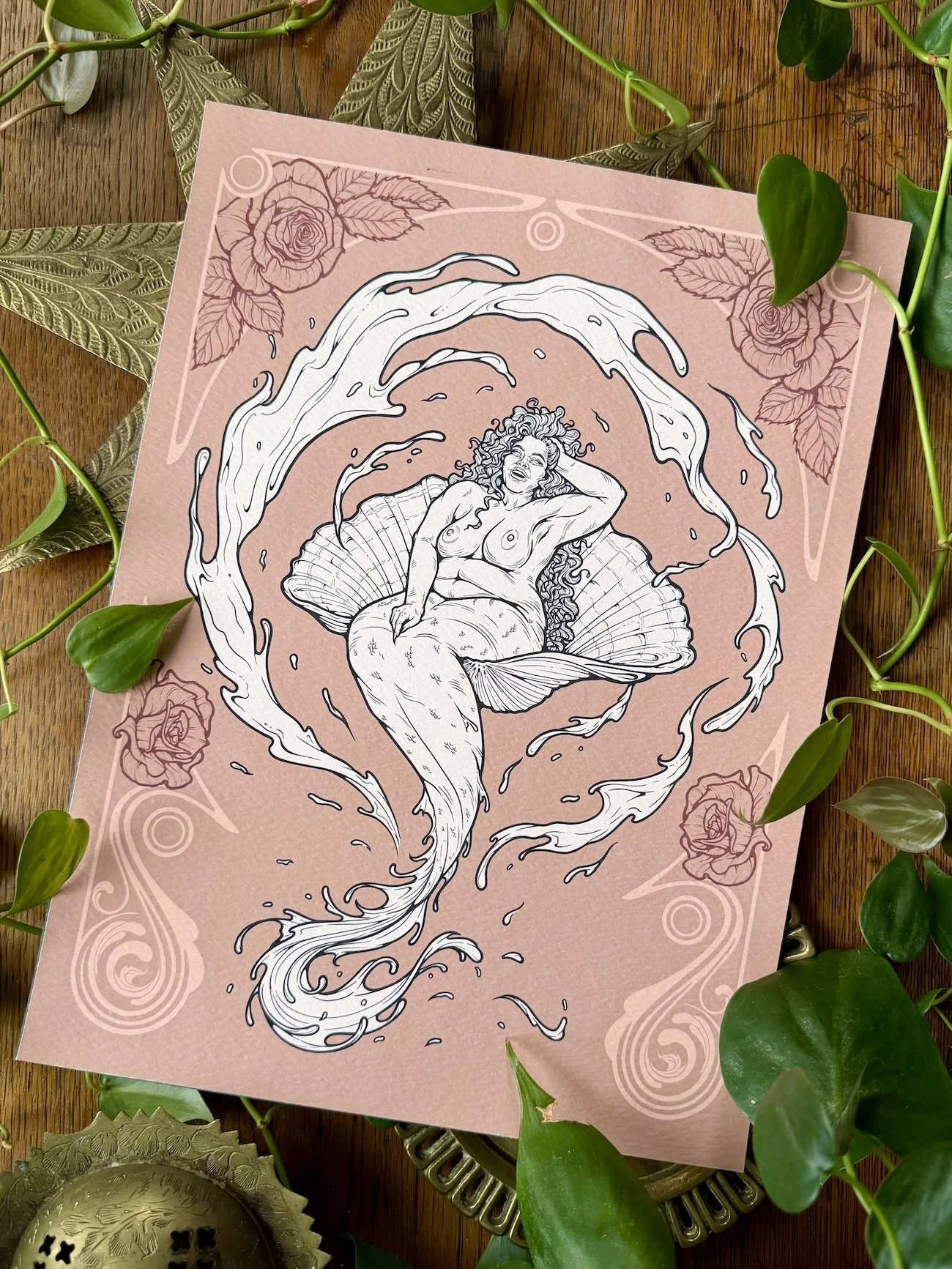
 Image 1 of 4
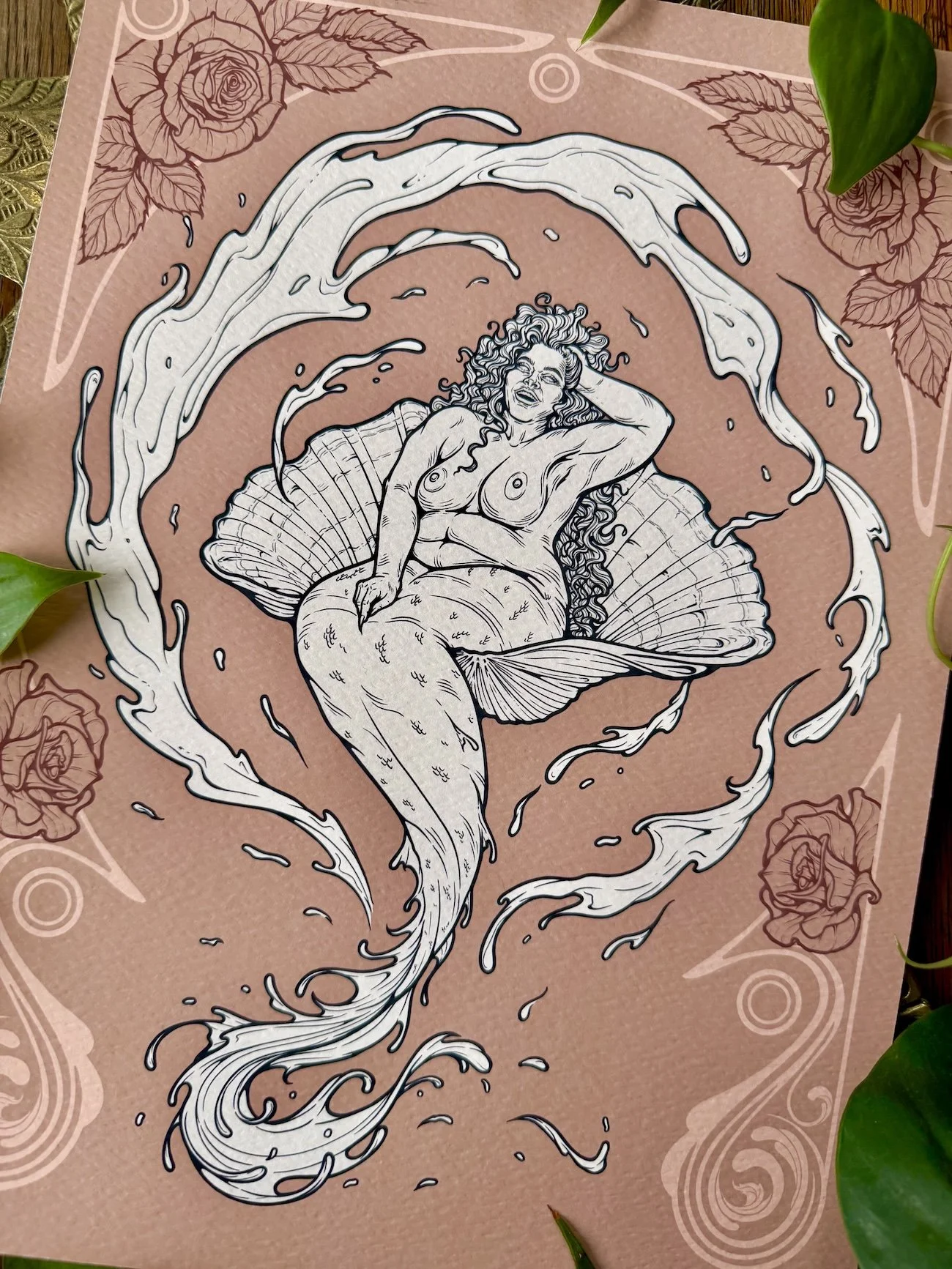
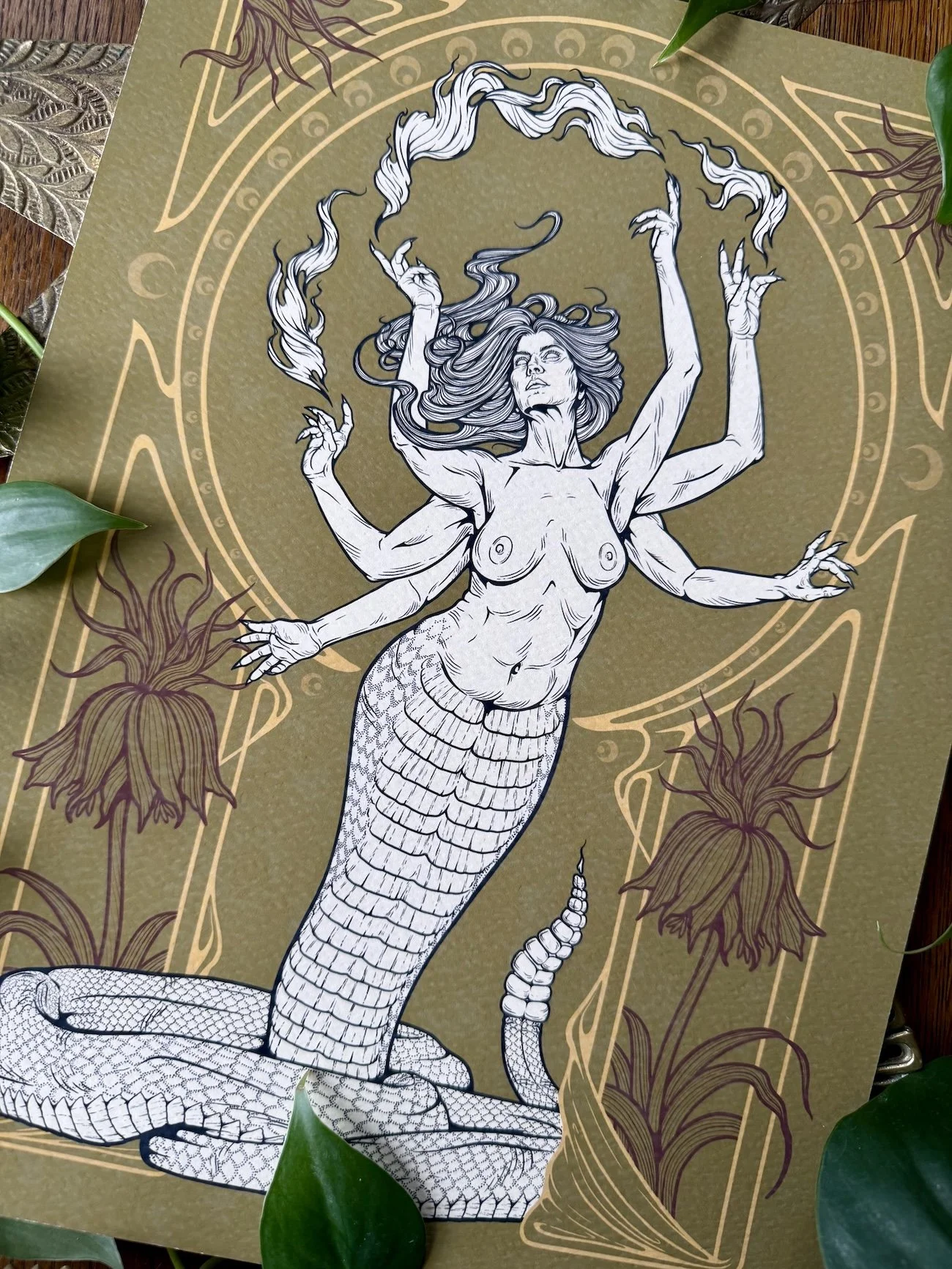 Image 2 of 4
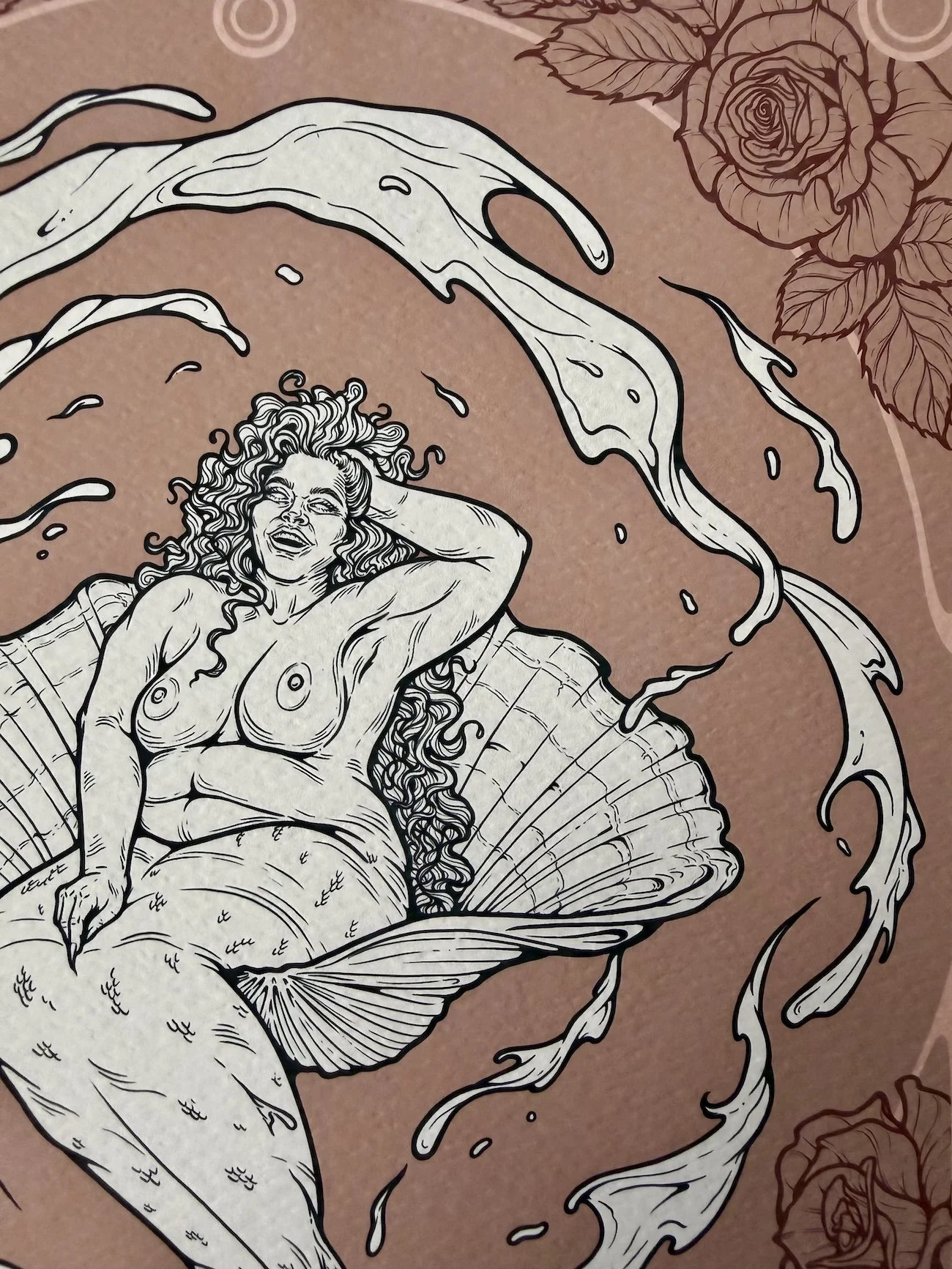
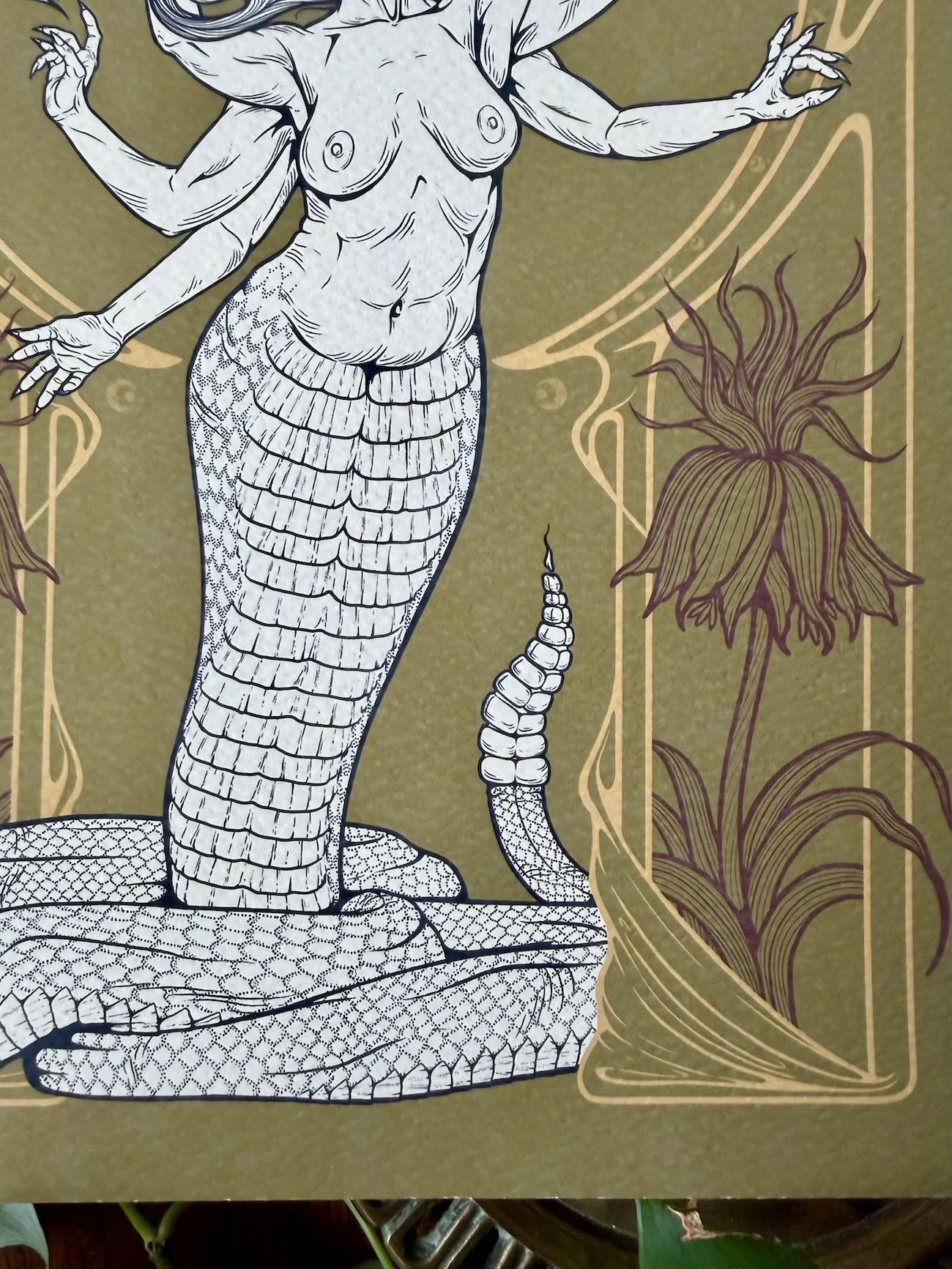 Image 3 of 4
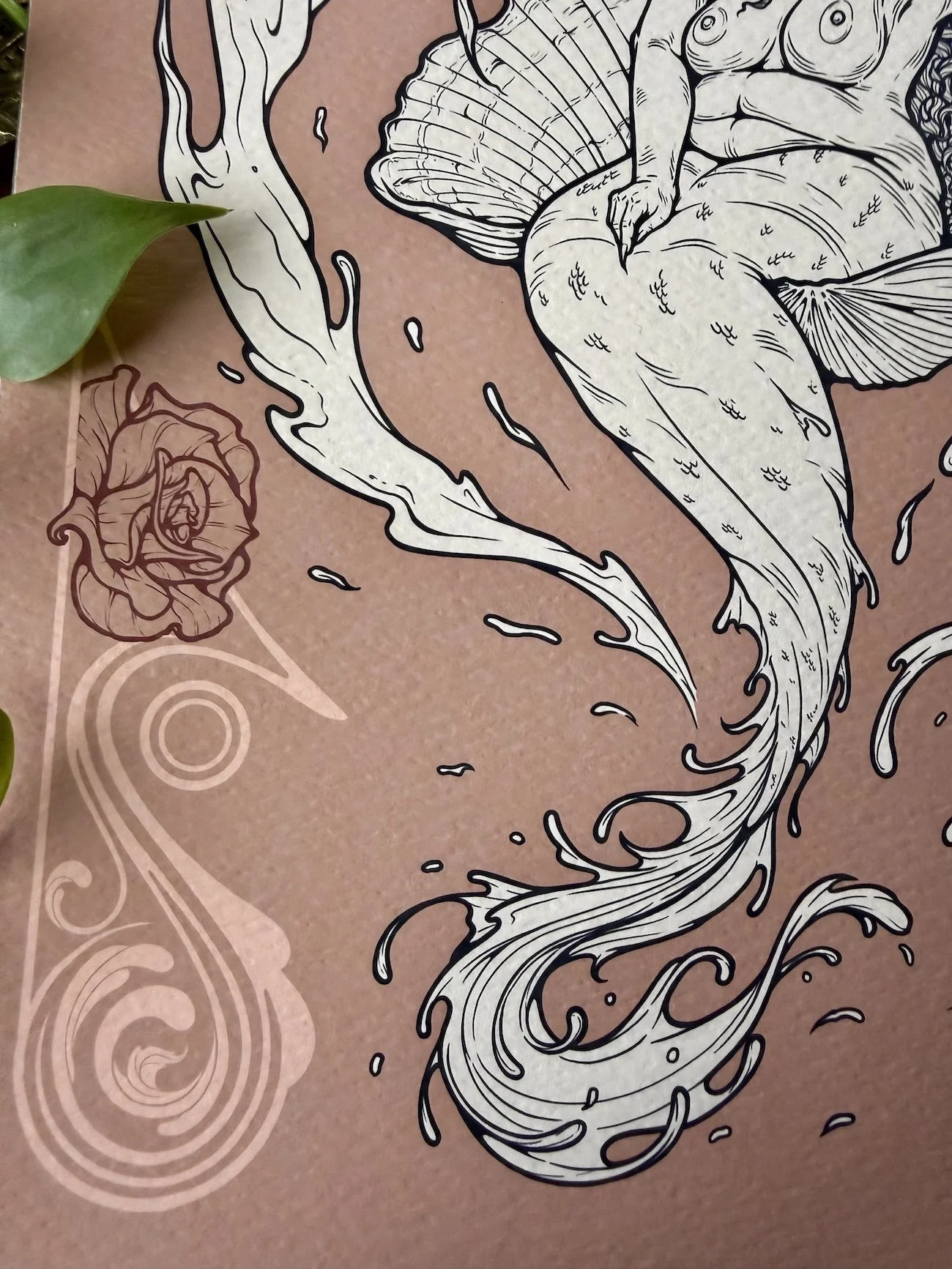
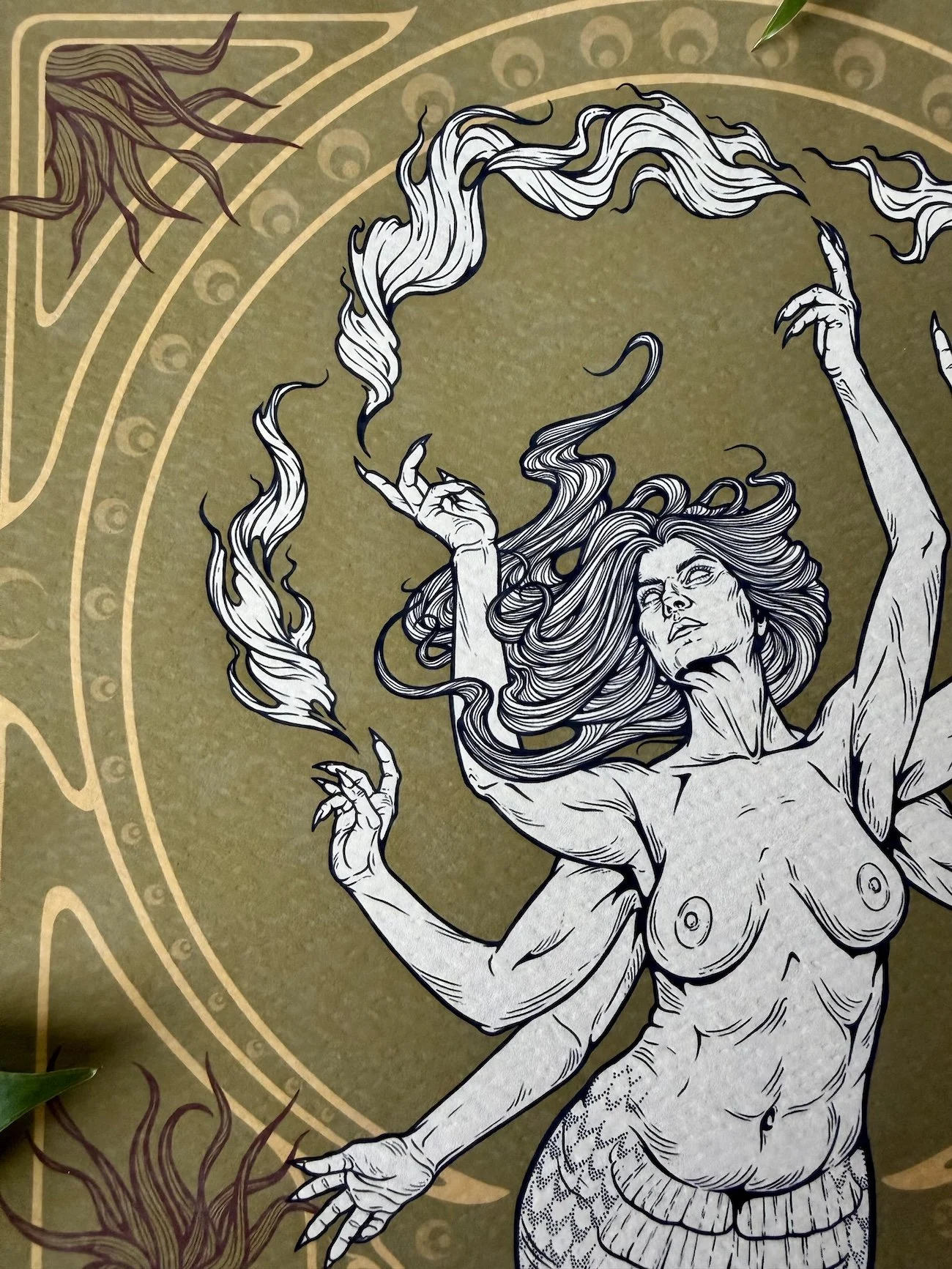 Image 4 of 4
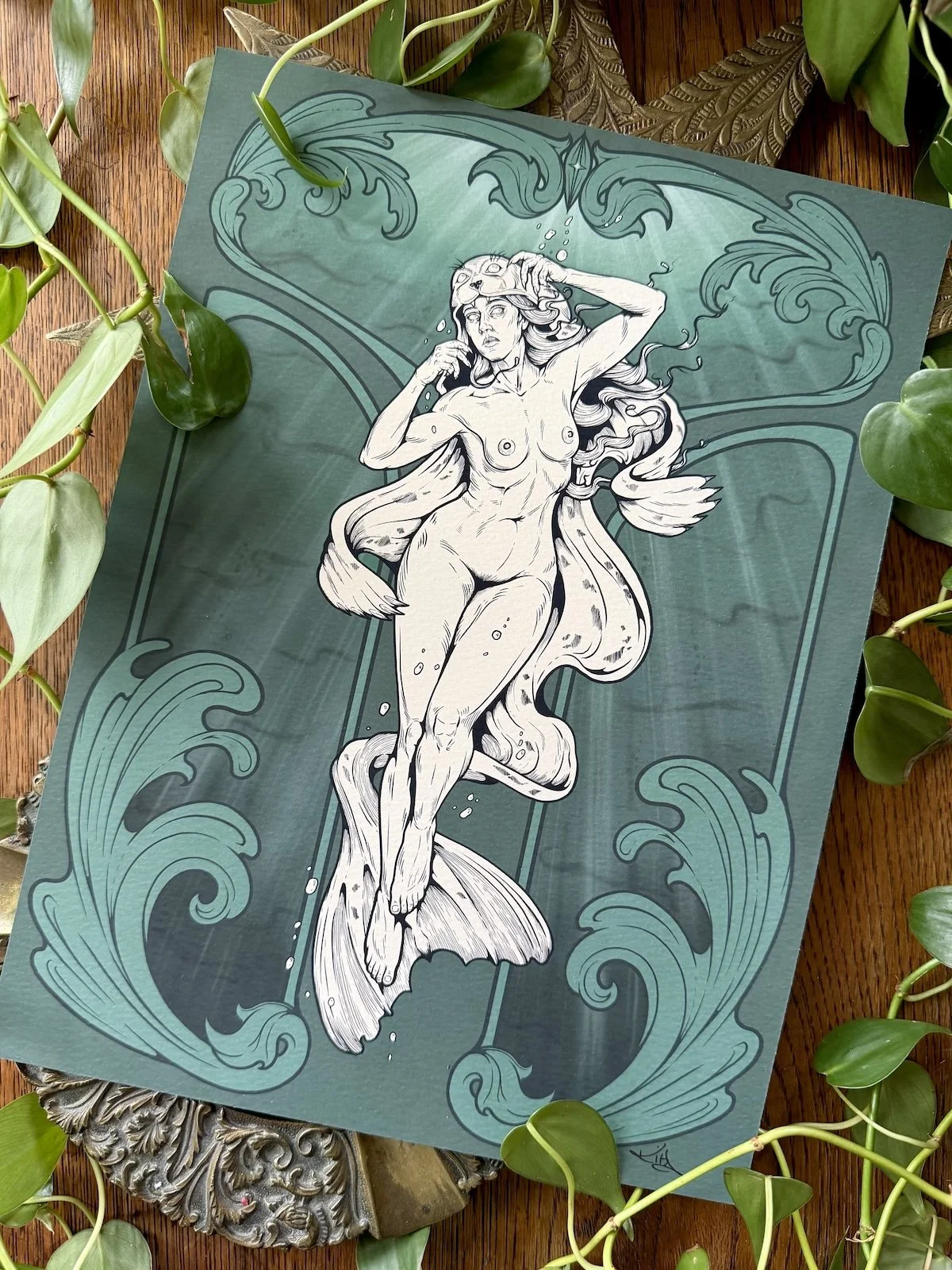
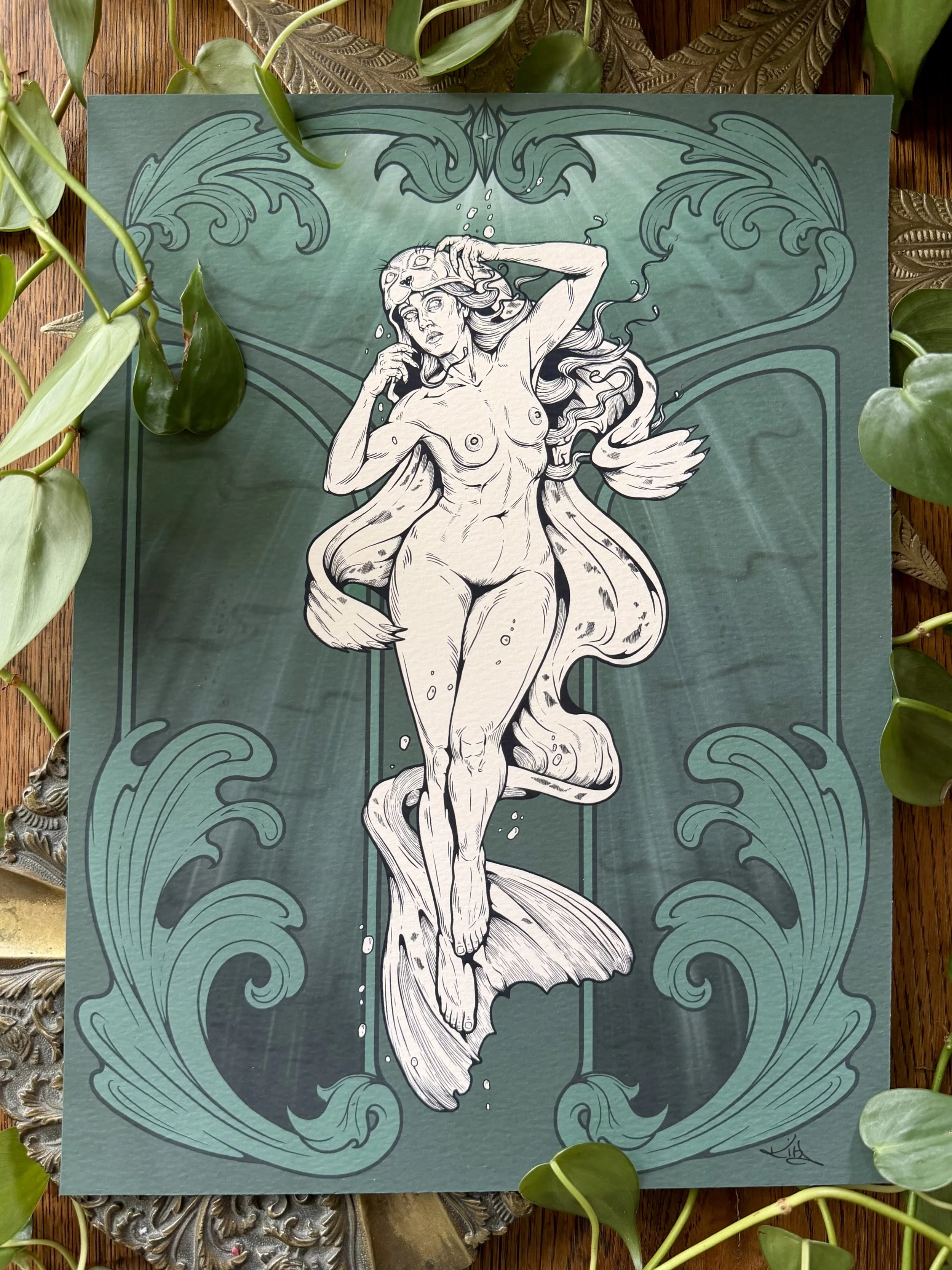
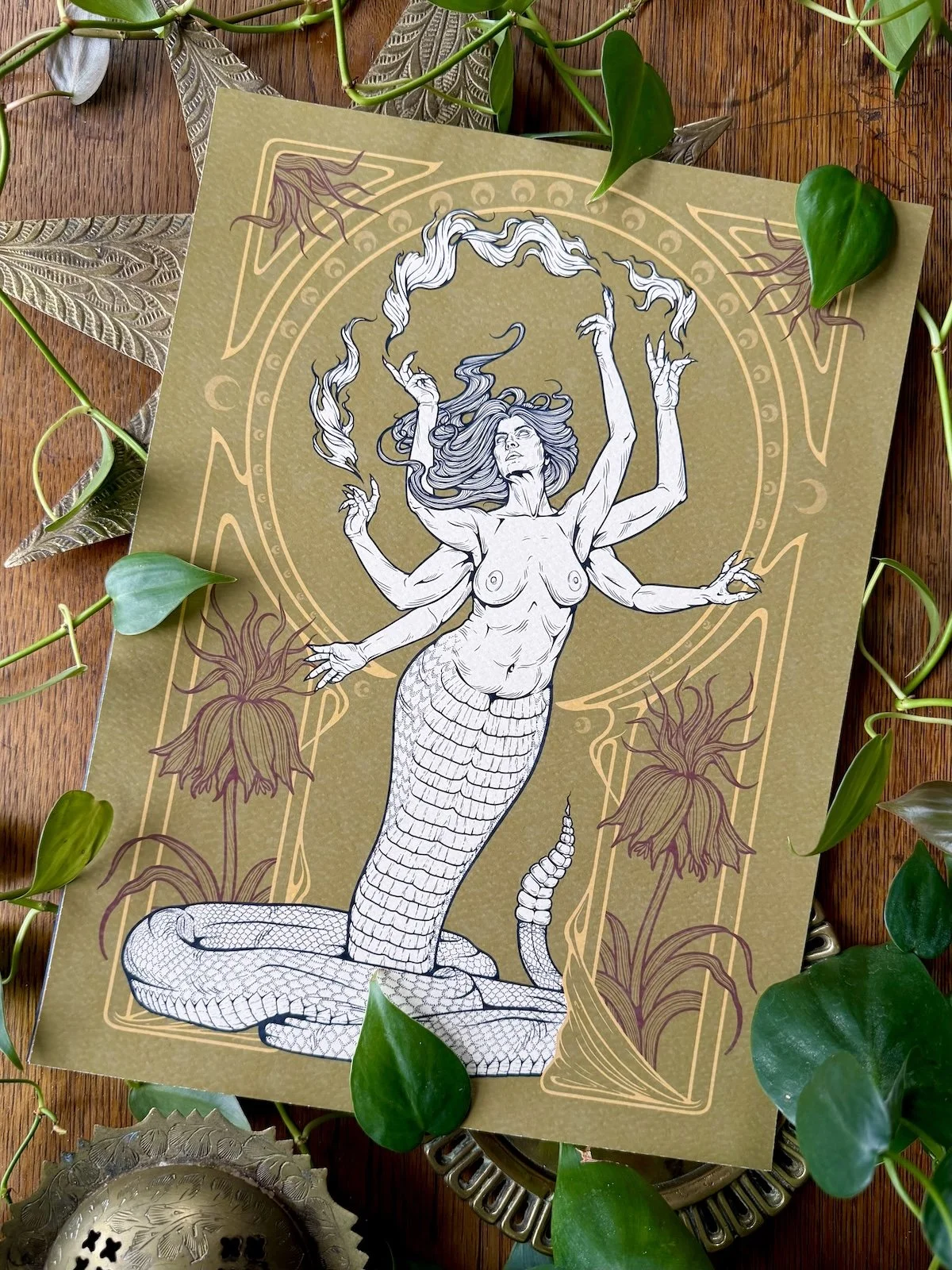
𝐌𝐘𝐓𝐇𝐎𝐋𝐎𝐆𝐘: Appearing in ancient folklore from the mountains of Turkiye, Kurdistan & Iran - the Shahmaran (Shah : King, Maran : Snakes) has the head of a woman on the body of a snake, or half woman-half snake - dwelling in a glorious garden full of white snakes, hidden underneath a mountain.
A young man, Jamasp, happens upon the Shahmaran while collecting honey and they fall in love. Jamasp stays with her, reveling in her garden among the snakes, partaking in her vast knowledge of plant medicine…until he misses his home & the world above too much & must leave. The Shahmaran sees him off, but not before prophesying her own death at the hands of men, so Jamasp promises not to tell anyone about her or her garden realm.
Years pass & when the King of Tarsus falls ill, his sinister, royal vizier proclaims only the flesh of the Shahmaran can heal him (hoping to get a serving of the magical being himself) Jamasp reveals the Shahmaran’s location, & as her final act, rather than spurning her love for divulging her secret, she specifies that the King should eat her flesh, the Vizier her serum, & Jamasp should drink her water. Its when these parting words are followed that the King is healed, the Vizier dies, & Jamasp attains all the Shahmaran’s expansive knowledge of medicine and science, becoming a healer.
𝐓𝐇𝐄𝐌𝐄𝐒: The tale of the Shahmaran, as with all mythology, is a cautionary one - warning humankind against their own greed, how their ambition can lead them to betray nature & love. As with all the mythology im most drawn to - the Shahmaran also speaks to women holding power through alignment with the natural world, & how their willingness to share in these resources is not enough to sate the avarice of Man & the ways patriarchy demands consumption.
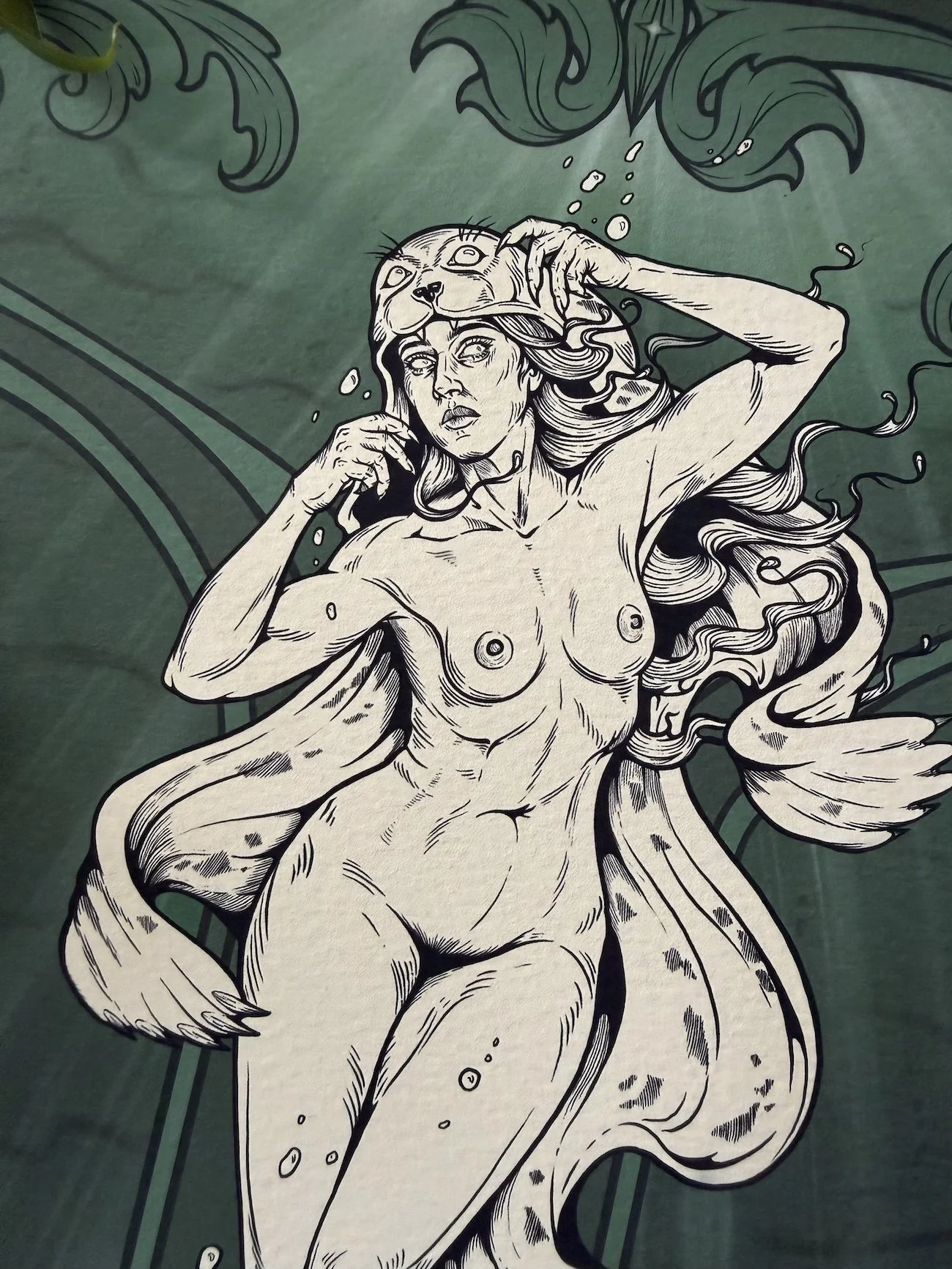
(This is the variation of the mythology i know - there are many nuances that differ across culture & region. I most strongly associate the Shahmaran with the Kurdish people which is why i render her with the Kurdish Tulip - the upside down crown, a symbol of resilience & Kurdish culture.)
✨May the Kurdish people know freedom & a homeland again soon✨
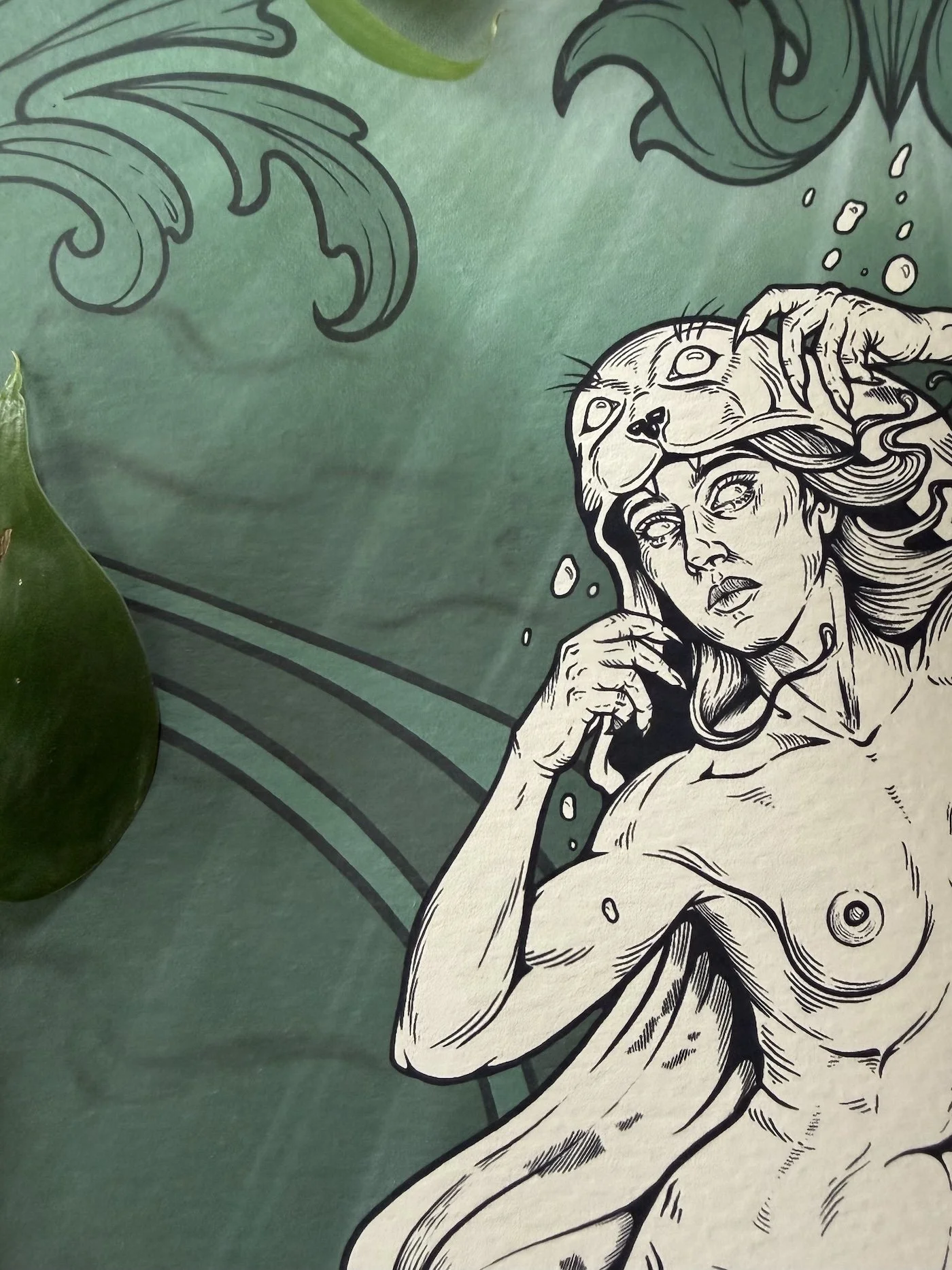
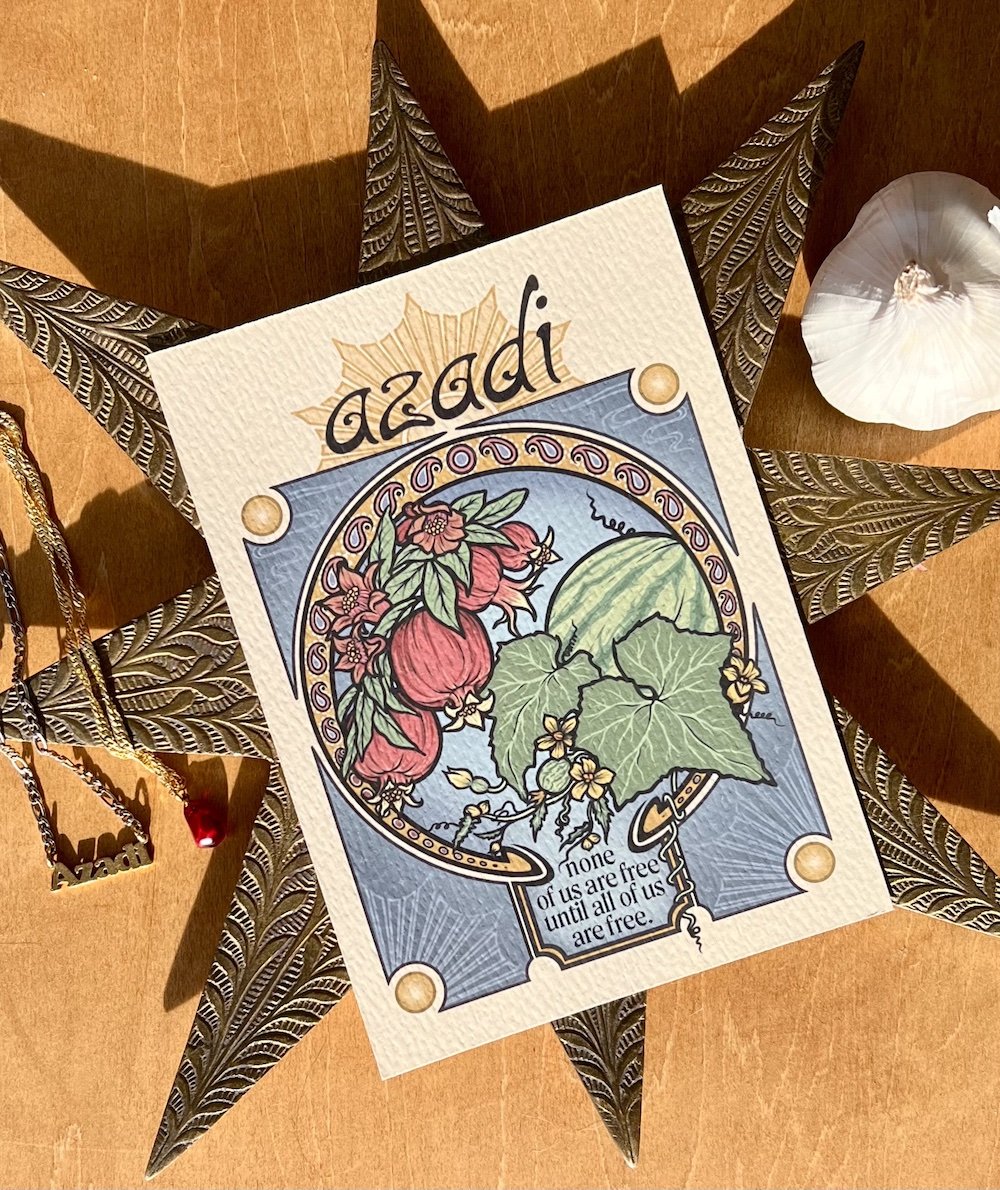
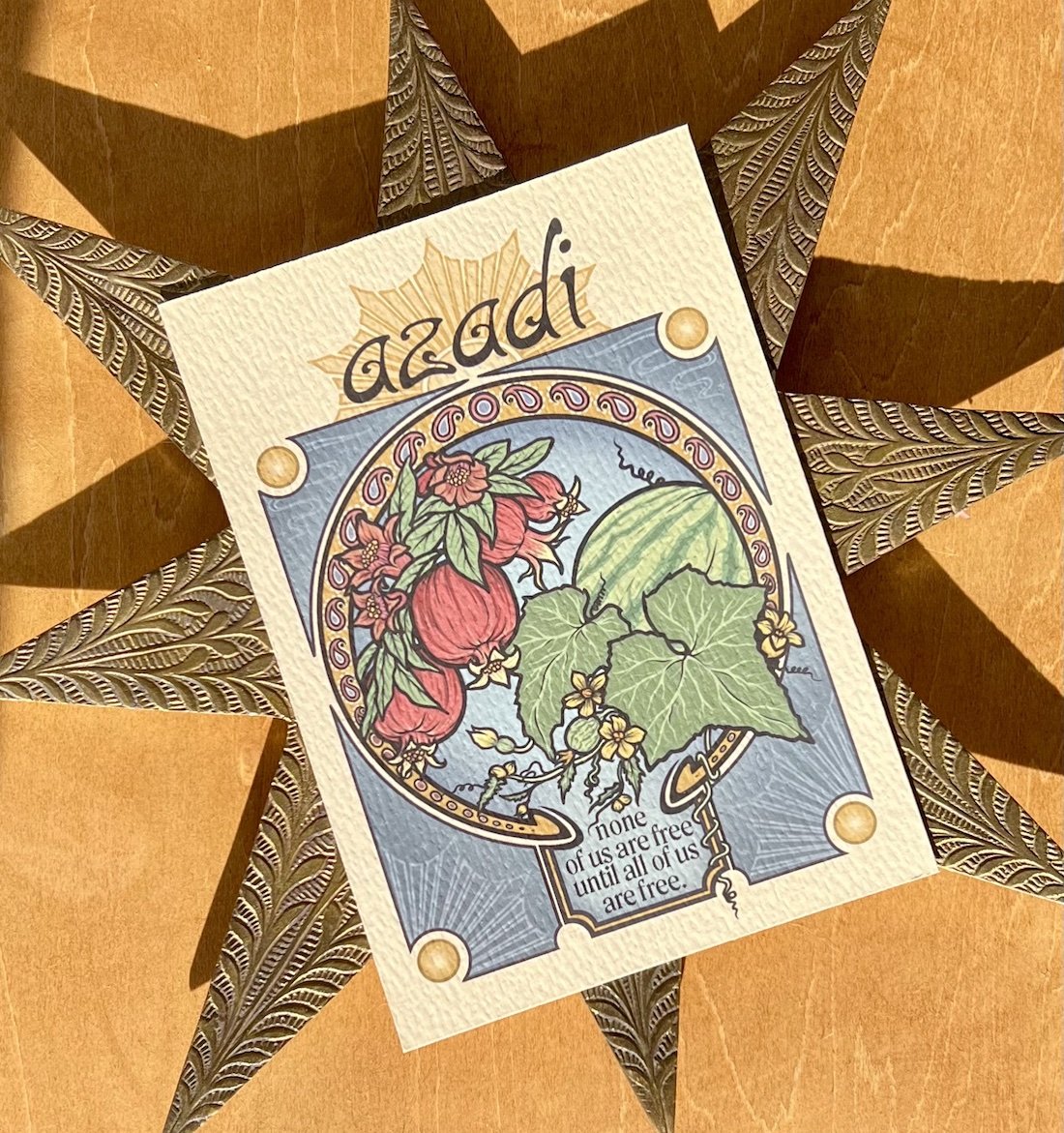
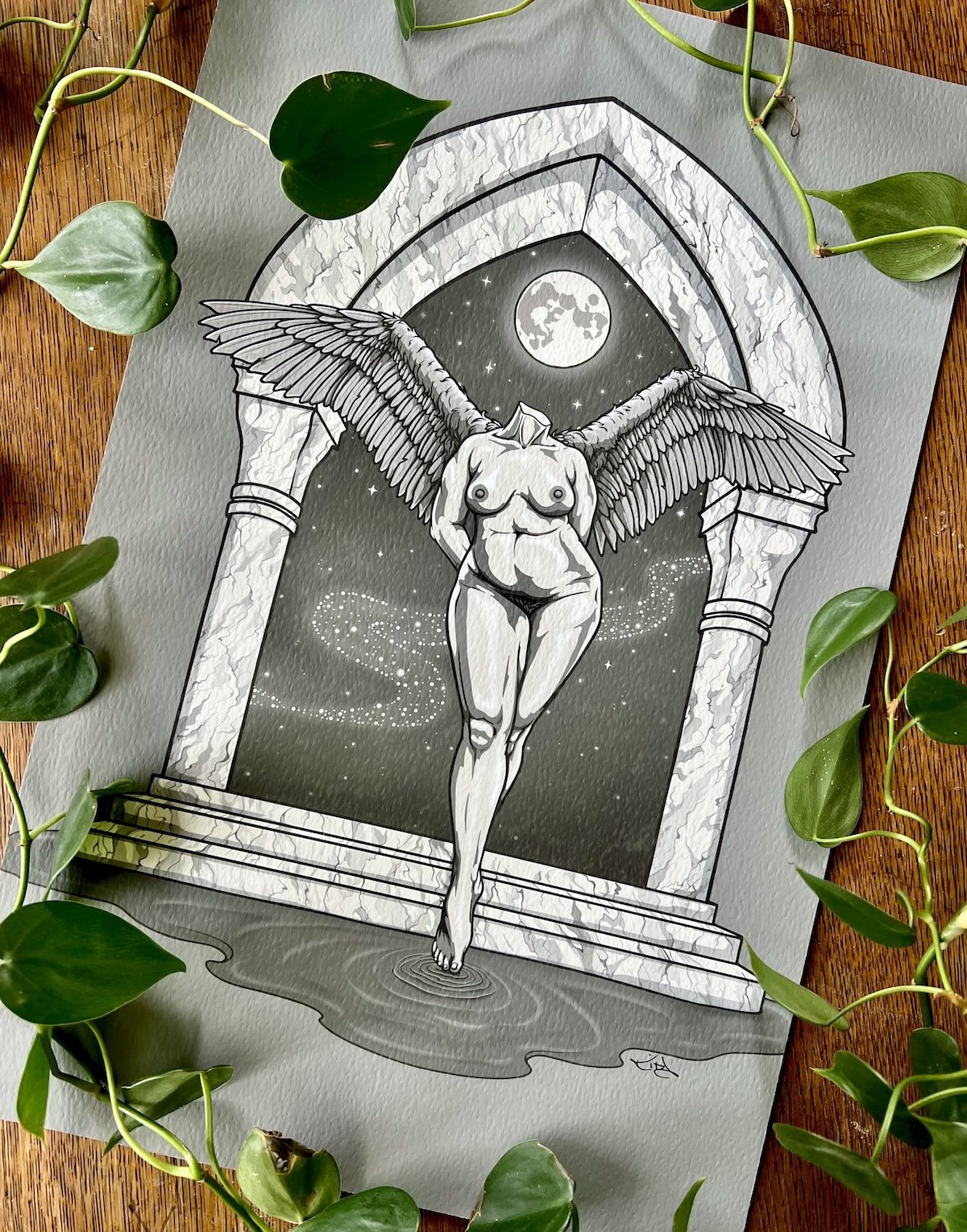
9×12” print of original artwork by Kita (that’s me!) Printed (on thick, beautifully textured watercolor paper) and packed (in a biodegradable cellulose sleeve) by me, in my very own tiny Chicago studio surrounded by Iranian folklore, cats, plants & art alchemy. Story card about the art included.
𝐌𝐘𝐓𝐇𝐎𝐋𝐎𝐆𝐘: Appearing in ancient folklore from the mountains of Turkiye, Kurdistan & Iran - the Shahmaran (Shah : King, Maran : Snakes) has the head of a woman on the body of a snake, or half woman-half snake - dwelling in a glorious garden full of white snakes, hidden underneath a mountain.
A young man, Jamasp, happens upon the Shahmaran while collecting honey and they fall in love. Jamasp stays with her, reveling in her garden among the snakes, partaking in her vast knowledge of plant medicine…until he misses his home & the world above too much & must leave. The Shahmaran sees him off, but not before prophesying her own death at the hands of men, so Jamasp promises not to tell anyone about her or her garden realm.
Years pass & when the King of Tarsus falls ill, his sinister, royal vizier proclaims only the flesh of the Shahmaran can heal him (hoping to get a serving of the magical being himself) Jamasp reveals the Shahmaran’s location, & as her final act, rather than spurning her love for divulging her secret, she specifies that the King should eat her flesh, the Vizier her serum, & Jamasp should drink her water. Its when these parting words are followed that the King is healed, the Vizier dies, & Jamasp attains all the Shahmaran’s expansive knowledge of medicine and science, becoming a healer.
𝐓𝐇𝐄𝐌𝐄𝐒: The tale of the Shahmaran, as with all mythology, is a cautionary one - warning humankind against their own greed, how their ambition can lead them to betray nature & love. As with all the mythology im most drawn to - the Shahmaran also speaks to women holding power through alignment with the natural world, & how their willingness to share in these resources is not enough to sate the avarice of Man & the ways patriarchy demands consumption.
(This is the variation of the mythology i know - there are many nuances that differ across culture & region. I most strongly associate the Shahmaran with the Kurdish people which is why i render her with the Kurdish Tulip - the upside down crown, a symbol of resilience & Kurdish culture.)
✨May the Kurdish people know freedom & a homeland again soon✨
9×12” print of original artwork by Kita (that’s me!) Printed (on thick, beautifully textured watercolor paper) and packed (in a biodegradable cellulose sleeve) by me, in my very own tiny Chicago studio surrounded by Iranian folklore, cats, plants & art alchemy. Story card about the art included.